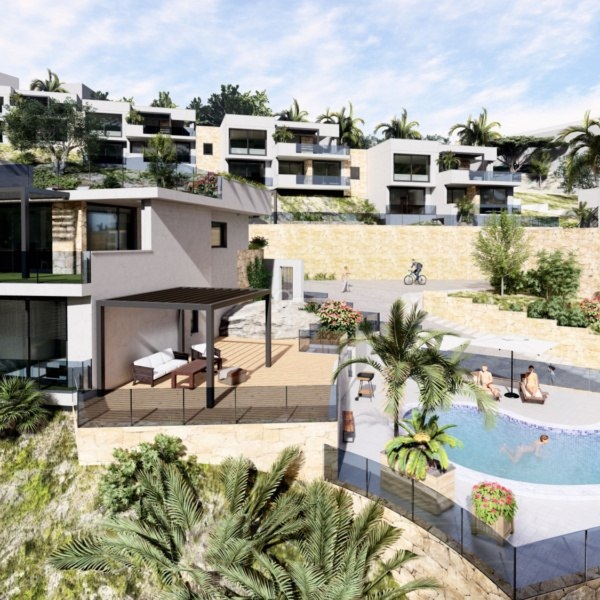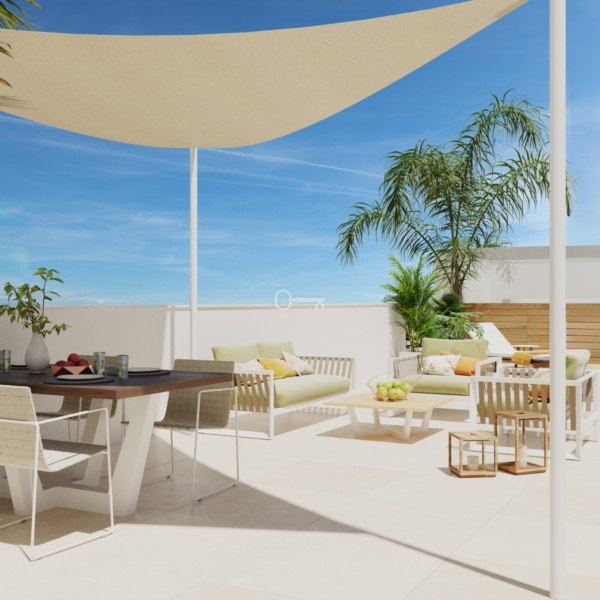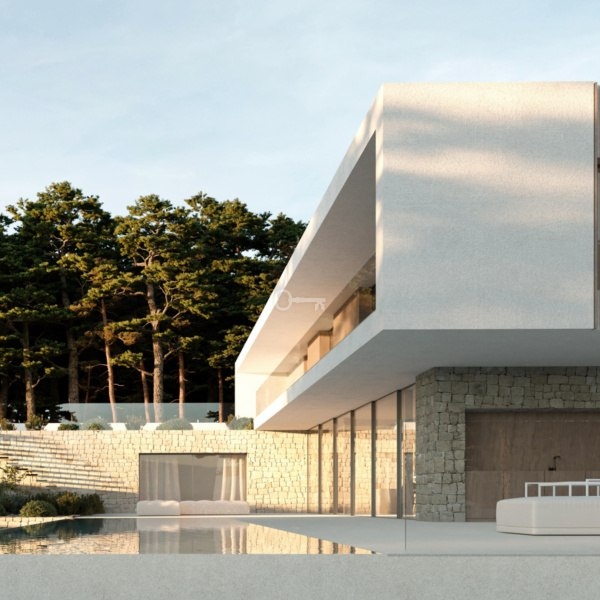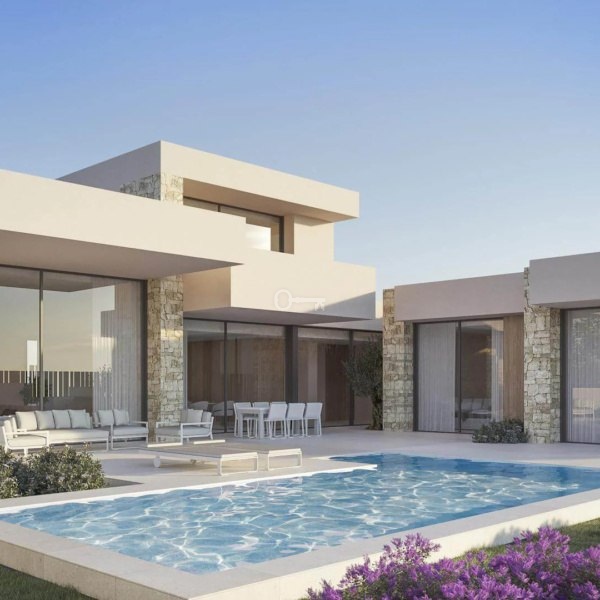
The question of the cost of living on the Costa Blanca is asked by almost everyone considering the purchase of a second home in Spain. In many cases, monthly expenses turn out to be comparable to those in large Polish cities. In this article, we explain what makes up the cost of living on the Spanish coast and what is worth considering before making a purchase.
At Partners International, we have been helping clients invest their capital in Europe’s most established premium property markets for many years. The purchase price of a property is usually the first figure considered by clients thinking about relocating to or investing on the Costa Blanca. In our experience, however, another question is just as important and arises even before the agreement is signed:
“So how much does everyday life there actually cost?”
It is a reasonable concern, because holidays can distort the perception of daily life. Two weeks spent in an apartment overlooking the sea reveal little about utility bills, grocery costs or whether dinner at a restaurant is a pleasure enjoyed once a month or simply part of an ordinary week. Several myths have developed around the Costa Blanca. One suggests that living on the Spanish coast is significantly more expensive than living in Poland. Another claims that buying a property means facing endless maintenance costs. Neither has much in common with reality. This does not, of course, mean that Spain is inexpensive. That is not the point. It would be more accurate to say that the relationship between costs and quality of life is different here from what people in Central Europe are accustomed to. It is a difference that is difficult to capture in a price table, but easy to notice after several months of living here.
How much does it cost to maintain a premium property on the Costa Blanca?
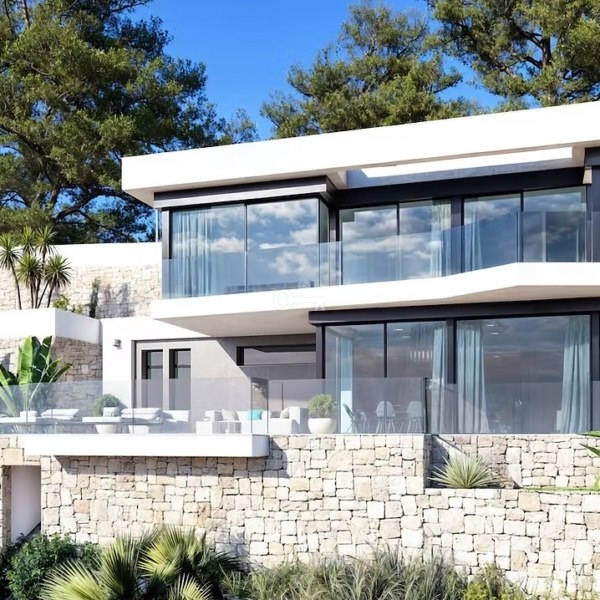
When purchasing a premium property, most clients focus on the purchase price. From the perspective of the following years, however, the cost of maintaining it is far more important. On the Costa Blanca, a property owner’s monthly expenses are usually more predictable than people accustomed to Polish conditions might expect. In the premium property segment, maintenance costs alone rarely determine the attractiveness of an investment. Equally important are the quality of development management, the standard of shared areas, the prestige of the location and the potential for appreciation in the years ahead. This is precisely why, at Partners International, we assess properties not only through the lens of the purchase price, but also in terms of the total cost of ownership and their long-term value to the owner.
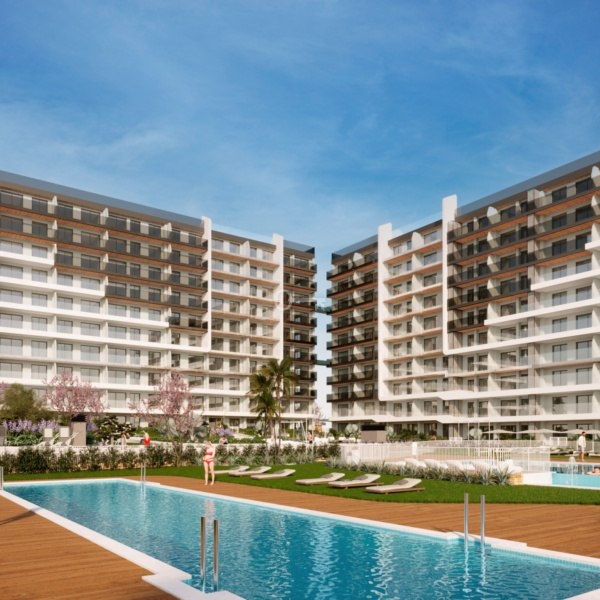
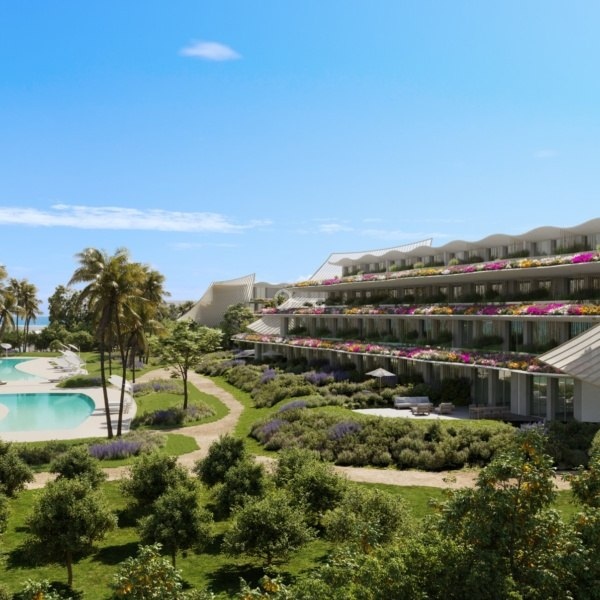
If the property is located within a gated development with a swimming pool, well-maintained landscaping and shared facilities, the owner pays a community fee known as the comunidad. It most commonly ranges from EUR 80 to EUR 150 per month. These funds cover the maintenance of infrastructure, pool servicing, cleaning of shared areas and garden care. There is also the property tax known as IBI. Depending on the location and the value of the apartment, it usually amounts to between EUR 200 and EUR 500 per year. These are fixed expenses. They are easy to plan for and, importantly, rarely come as a surprise.
When it comes to renting, a comfortable two-bedroom apartment located within a reasonable distance of the beach currently costs approximately EUR 1,500 per month. Newer developments with unobstructed sea views or extensive leisure facilities reach around EUR 2,000. In our experience, the differences between developments on the Costa Blanca can be considerable, not only in terms of their standard, but also their potential for appreciation and the future attractiveness of the location. This is why Partners International does not focus on the number of available listings. Their careful selection delivers far greater value.
A climate that also affects utility bills
People moving from Poland often expect high energy costs. The logic appears straightforward: if air conditioning is used for most of the year, electricity bills must be high. In practice, everything depends on the season. During summer, air conditioning does indeed work intensively. In winter, however, a cost that has become one of the greatest burdens on household budgets in Poland over recent years largely disappears: heating. In a well-insulated apartment, the electricity bill for two people outside the hottest period of the year often remains at around EUR 40 per month. During the summer months or colder weeks in winter, it usually rises to approximately EUR 100.
There is also the cost of water. Depending on the municipality, it is billed every two or three months, but when calculated on a monthly basis, it usually amounts to around EUR 30–40. Fibre-optic internet combined with a mobile phone plan generally costs between EUR 35 and EUR 50. These figures are not dramatically different from what residents of large Polish cities pay today. The difference lies elsewhere. In winter, the bill does not rise because the apartment has to be heated to a comfortable temperature for several months. This is something many people only begin to appreciate after their first full year of living on the Costa Blanca.
Everyday shopping reveals more than prices alone
The easiest way to compare living costs is by looking at receipts. Product quality is more difficult to compare, although it often plays a decisive role in everyday comfort. Spanish supermarket chains such as Mercadona and Consum have long enjoyed a reputation for offering good value for money. Basic products cost a similar amount to those in Poland, while some are even less expensive. The greatest difference, however, can be seen outside supermarkets. In many towns, local markets are held once a week. For residents, they are not a tourist attraction, but a natural place to shop. This is where seasonal vegetables, fruit, cheeses and olives from local producers can be found.
A kilogram of ripe tomatoes can be purchased for around EUR 1–1.50. A loaf of fresh bread costs just over one euro. A good local wine costs roughly as much as an average supermarket bottle in Poland. A reasonable monthly grocery budget for two people is between EUR 350 and EUR 450. The amount itself may not seem particularly remarkable. It is often similar to what people spend in Poland. What changes is what you receive in return. This is precisely why conversations about the cost of living on the Costa Blanca rarely end with the figures.
Eating out is not an event. It is part of everyday life.
In Poland, dinner at a restaurant often means plans for a Friday evening or a special occasion. On the Costa Blanca, it is different. Not because residents necessarily eat out more often, but because prices mean that this pleasure does not have to be reserved for exceptional occasions. Many local restaurants still offer the menú del día, a daily set menu prepared by the chef. It has remained popular for many years among both residents and people working nearby. For EUR 12–15, you receive a starter, a main course, dessert or coffee and often a drink as well. Sometimes a glass of local wine is included in the price. For people accustomed to restaurant prices in Polish cities, the bill can come as a considerable surprise.
The same applies to morning coffee. A cortado usually costs around EUR 1.50, while toast with tomato, olive oil and serrano ham costs a few euros. It would be difficult to describe this as luxury. It is more of an everyday ritual that forms part of the region’s pace of life. These small expenses change how people use the town. You do not wonder whether it is worth sitting down for a coffee after a walk. You simply sit down.

A car still provides the greatest freedom
The Costa Blanca has good transport connections, although many people purchasing property choose to use a car. This applies particularly to locations outside the largest cities, where beaches, golf courses and marinas may be several or more than ten minutes apart by car. With moderate use, monthly expenditure on fuel and ongoing vehicle costs can be estimated at around EUR 100. Naturally, much depends on lifestyle and the number of kilometres travelled, but for most second-home owners, this figure provides a good reflection of everyday costs.
What is the monthly budget?
The figures provide the clearest picture of the scale of expenditure, but they require one important clarification. The estimate below applies to a couple living in a property they own. It therefore does not include mortgage repayments or rental costs.
An example monthly budget is as follows:
- community fees and utilities – approximately EUR 250,
- groceries – approximately EUR 400,
- restaurants, cafés and social life – approximately EUR 300,
- transport and fuel – approximately EUR 100,
- other expenses – approximately EUR 150.
This gives a total of approximately EUR 1,200 per month.
This is, of course, an indicative figure. Some people will spend less, while others will spend more. Nevertheless, it is difficult not to notice that the scale of these costs does not differ significantly from the expenditure currently incurred by many households in Poland.

When considering the cost of living, it is easy to overlook something no spreadsheet can show
Comparing prices makes sense. Every property purchase decision should be based on figures rather than emotions. There is, however, one element that no calculator can take into account. On the Costa Blanca, life moves outdoors. For most of the year, meetings with friends take place on terraces, walks are not dependent on the weather and the day does not end when the sun sets outside the office window. These are not investment arguments. They are, however, the reason why many people, after several months, stop thinking of Spain as a holiday destination and begin to regard it as a second home. This is where lifestyle meets financial decision-making.
Purchasing a luxury property on the Costa Blanca does not have to mean choosing between emotion and reason. A carefully selected address can become both a place you want to return to and part of a long-term strategy for building and protecting wealth. This is why, at Partners International, we do not begin the conversation with a property catalogue. First, we want to understand what you are looking for. For some, it will be a luxury apartment just a few minutes from the marina. For others, it will be a more private house or an investment capable of generating returns even when the owner is not there.
Only then do we move on to specific addresses. Instead of presenting dozens of similar listings, we focus on properties that genuinely match the criteria established beforehand. This selection saves time and allows attention to remain on the decisions that truly matter. When the time comes to complete the formalities, we provide access to our network of trusted local partners, including lawyers, notaries and tax advisers who have worked with our clients for many years. This allows you to make decisions based on knowledge rather than assumptions.
Because purchasing a premium property abroad should not begin with the question: “Which apartment should I choose?”.
It should begin with a much simpler one. Will this place suit the life you want to lead in five or ten years’ time?

 110 m²
  1 / 2
1 / 2  1
1  2
2  2026
2026 
 10 000 m²