


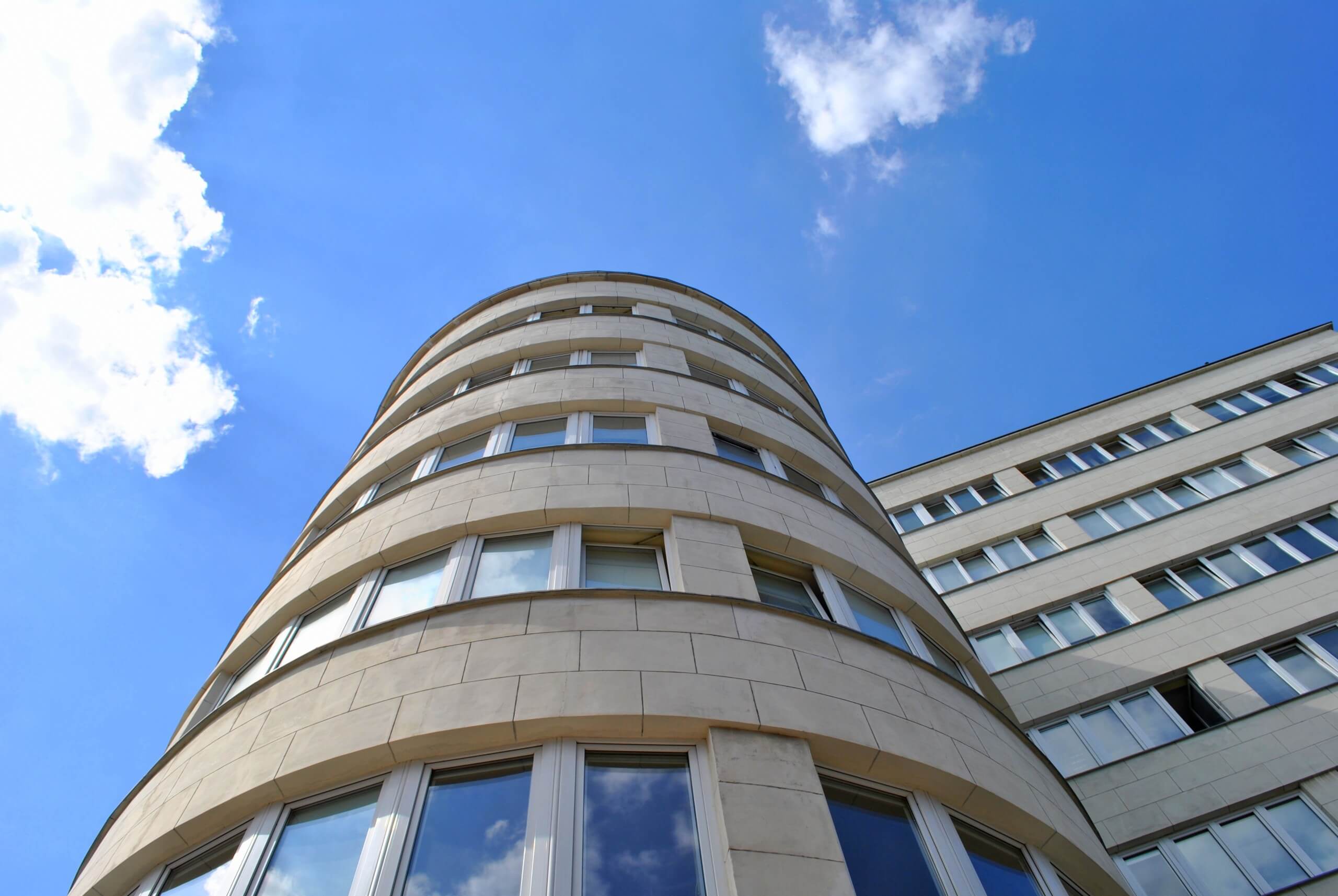
Two apartments on the same street in Gdynia may belong to two different market segments, and only one of them will qualify as a premium property. What determines this is not the address itself, but the building’s form of heritage protection, documented architectural authorship and the state of preservation of its original fabric. Below are five things to check before submitting an offer, along with what maintaining such a property involves and what forms of financial support are available to owners.
Properties in Gdynia’s modernist city centre form a finite collection
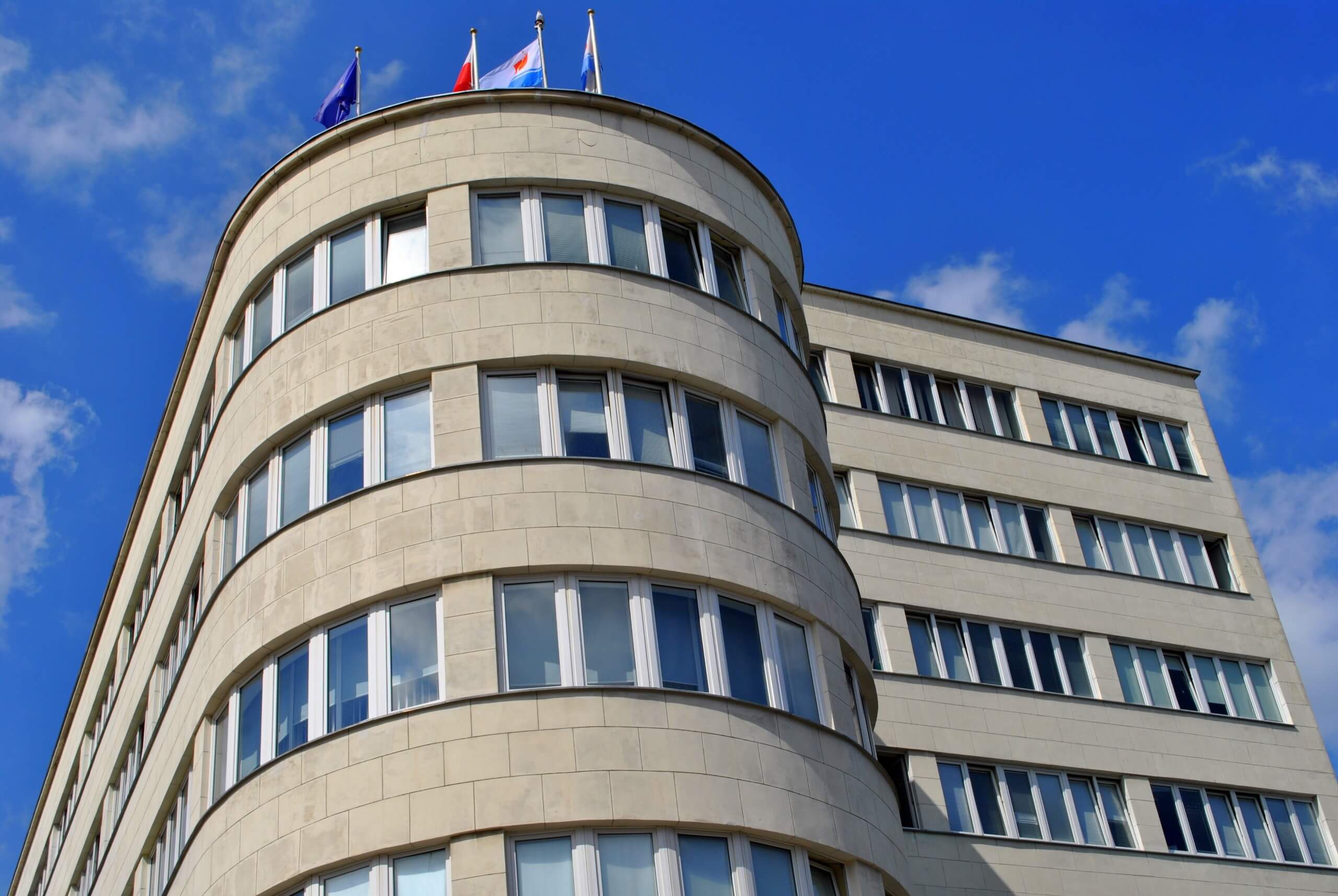
Gdynia’s modernist city centre is a collection that cannot grow. The area covered by the Historic Monument designation “Gdynia – the historic urban layout of the city centre” spans approximately 88 hectares between the Main Railway Station and the sea (Source: PAP, 2015). Within its boundaries are approximately 450 buildings, ranging from residential tenement houses to public buildings (Source: Gdynia City Hall, 2026 – gdynia.pl).
This urban layout took shape during the interwar period in a city that had only been granted municipal rights in 1926. The entire district was therefore built within little more than a decade, commissioned by people whose names can still be found in the buildings’ records.
For the premium property market, this has one clear consequence: supply does not respond to demand. New developments may be built nearby, and they may be more convenient and more expensive, but they will never become part of this collection, because inclusion is determined by the date of construction and the preservation of the original fabric, not by the standard of the interior finish.
Limited availability is a defining feature of luxury goods, and this is reflected in market data. In 2025, luxury property prices worldwide rose faster than the broader market: by 3.2% compared with 2.9% (Source: Knight Frank, The Wealth Report, 2026 – knightfrank.com).
Three decisions confirming the value of luxury modernist properties in Gdynia
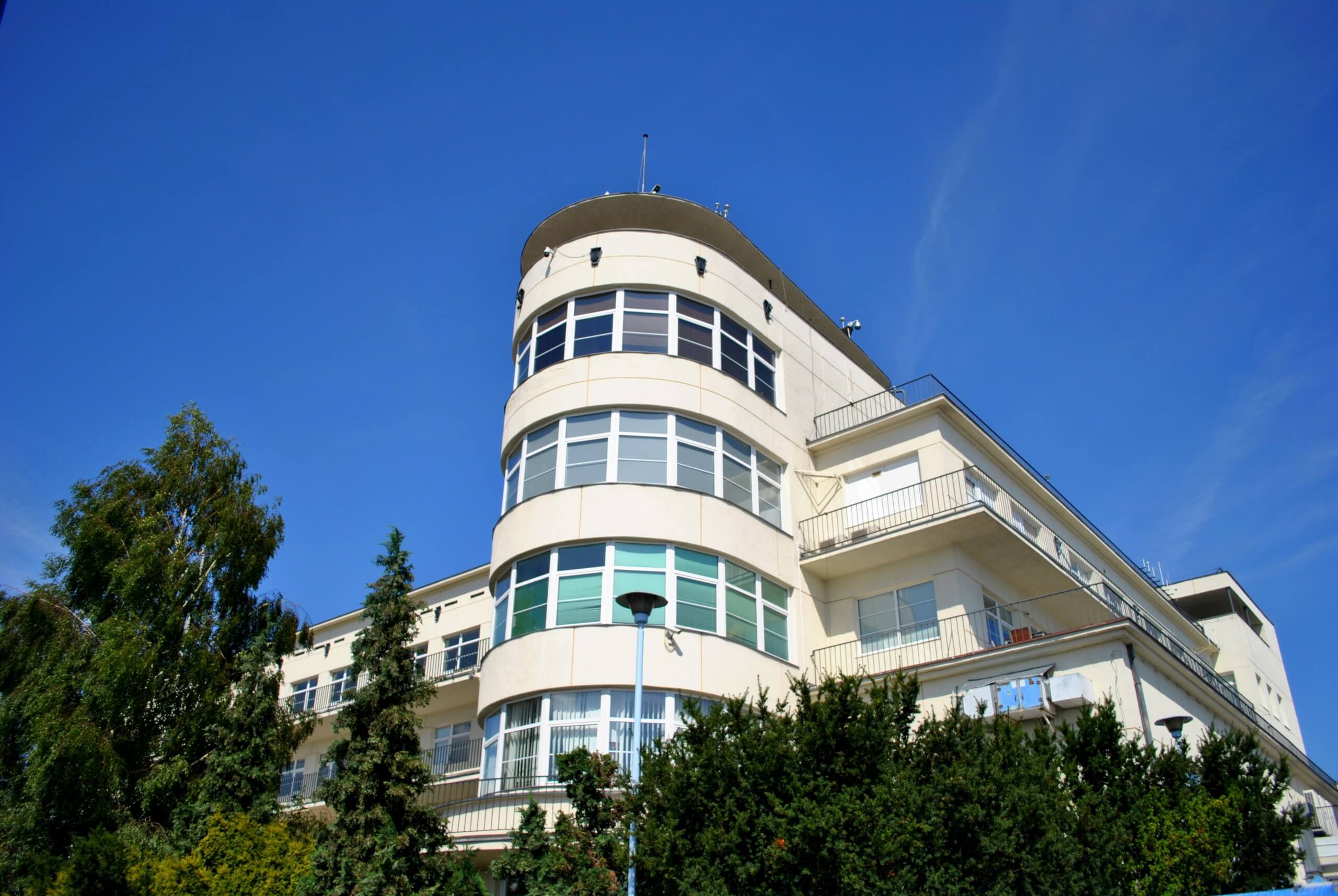
The form of heritage protection determines what may be altered in a building, which makes it an inherent feature of the property rather than merely a historical curiosity. This status is confirmed by three independent decisions made over the course of two decades:
- in 2007, the urban layout of the city centre was entered in the register of monuments of the Pomeranian Voivodeship
- on 23 February 2015, the President of the Republic of Poland signed a regulation recognising the historic urban layout of Gdynia’s city centre as a Historic Monument. The regulation was published in the Journal of Laws on 16 March 2015, making Gdynia the sixtieth site on the list
- on 27 July 2026, the World Heritage Committee inscribed Gdynia’s modernist city centre on the UNESCO World Heritage List under criterion IV, as Poland’s eighteenth site on the list
For a buyer of premium property, the first of these dates is the most important. As noted when Historic Monument status was granted, the designation itself does not introduce additional protection measures, as these arise from entry in the register of monuments (Source: PAP, 2015).
What does UNESCO World Heritage status mean for properties in Gdynia?
The inscription on the UNESCO World Heritage List on 27 July 2026 does not impose new renovation requirements on owners, but it definitively places Gdynia’s modernist city centre within the global stock of luxury assets (Source: World Heritage Committee, 2026). The legal scope of permitted works and the applicable formal requirements continue to arise from entry in the register of monuments and Historic Monument status (Source: PAP, 2015).
For a premium property buyer, however, UNESCO status serves as an international certificate of the address’s uniqueness. It confirms that the building’s architectural value is recognised beyond Poland, further reinforcing the finite nature of this market and helping to protect capital invested in pre-war architectural fabric (Source: Knight Frank, The Wealth Report, 2026 – knightfrank.com).
Five things to check before buying a modernist property in Gdynia
Before you begin negotiating the price of an apartment in a modernist tenement house, establish five key facts. Each can be verified before signing a preliminary agreement and determines whether you are buying a premium property or merely a good address.
- The building’s form of protection. When awarding conservation grants, Gdynia distinguishes between three categories: properties entered in the register of monuments, buildings protected under the local zoning plan and included in the municipal register of monuments, and buildings located within the city-centre area designated as a Historic Monument (Source: Gdynia City Hall, 2026 – gdynia.pl). Among other things, the form of protection affects the amount of funding that may be available.
- Architectural authorship and date of construction. The architect’s name in the documentation does not depreciate and is not dependent on market conditions. The authorship, date and form of protection of a specific building can be verified with the Office of the Municipal Heritage Conservator in Gdynia.
- The condition of the original details. Inspect the staircase, façade and street-facing joinery before you inspect the kitchen.
- The history of works carried out in the building. The city publishes lists of awarded conservation grants together with the relevant addresses and scope of work, allowing you to check whether a particular building has already benefited from such support (Source: Gdynia City Hall, 2026 – gdynia.pl).
- The condition of the owners’ association. Ask the seller for the balance of the renovation fund, the work plan for the coming years and resolutions adopted in recent years. These documents reveal more about future costs than the condition of the apartment itself.
The detail that determines whether a property belongs to the premium segment
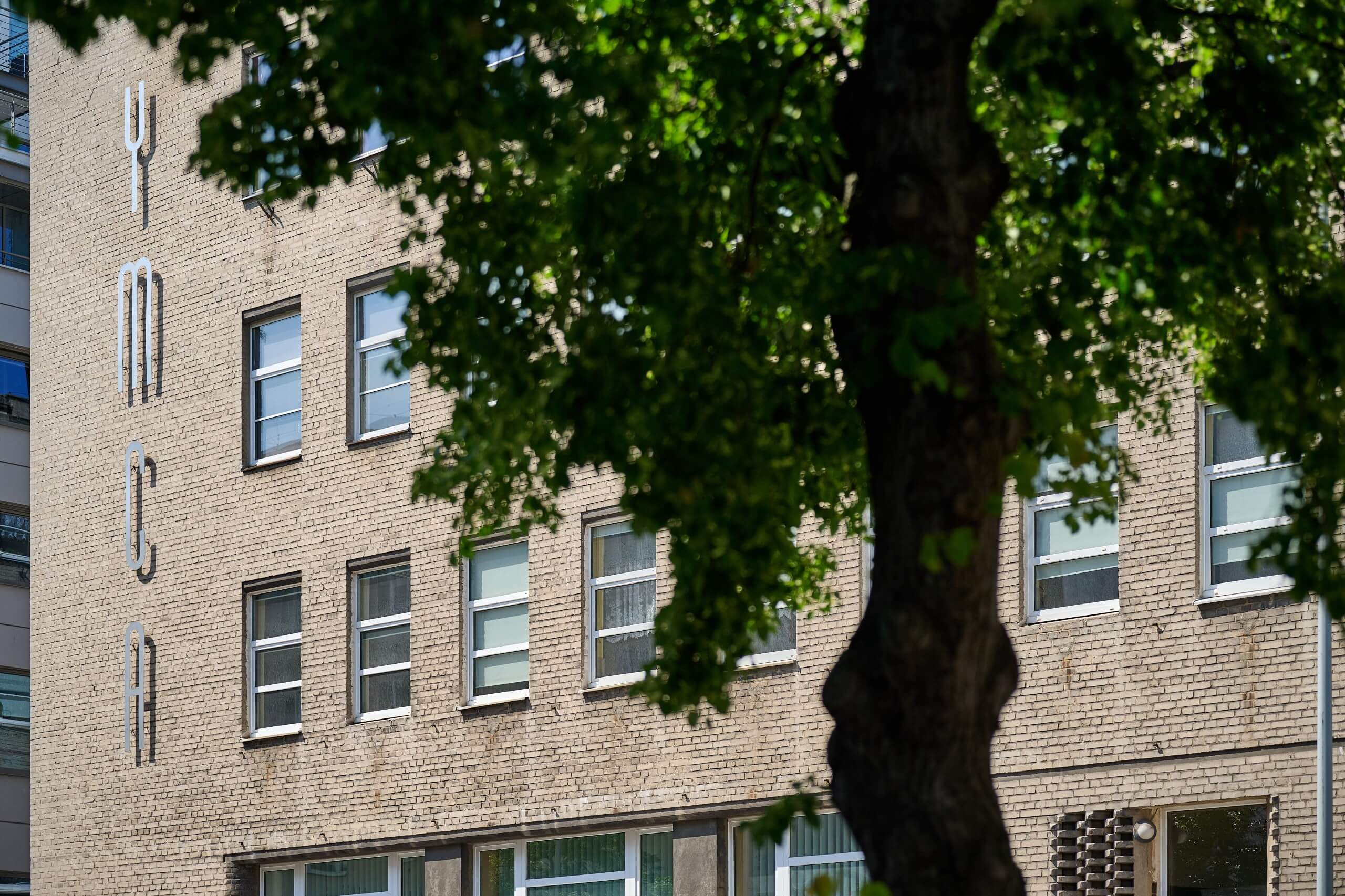
In a modernist tenement house, you are paying primarily for architectural fabric that cannot be recreated: terrazzo floors and stairs, the wooden stairs of the main staircase, high-quality decorative render on the façade, original window and door joinery, entrance portals and balustrades.
These are precisely the elements that Gdynia supports with public funding, which is the clearest evidence that this is not a matter of taste, but of value.
Three examples of Gdynia addresses with documented architectural authorship:
- Bankowiec, 27–31 3 Maja Street – designed by Stanisław Ziołowski and built between 1935 and 1939 for the pension fund of Bank Gospodarstwa Krajowego employees; entered in the register of monuments in 1983
- the Orłowski family tenement house on Świętojańska Street – Albin and Maria Orłowski, citizens of the United States, had to obtain the consent of the Council of Ministers to purchase the plot on which it was built. The building was designed by Zbigniew Kupiec and completed in 1936
- the villa known as Łosiówka on Kamienna Góra – designed by the architectural partnership of Zbigniew Kupiec and Tadeusz Kossak, built for Countess Magdalena Łosiowa and regarded as a classic example of cubic functionalism
(Source: Gdynia City Hall, Modernism Route – modernizmgdyni.pl; National Heritage Institute – zabytek.pl)
If you view an apartment and see that the street-facing windows have been replaced with plastic ones, the façade has been externally insulated and the staircase has been finished with laminate panels, you are looking at a building that has already lost this value. The address may remain prestigious, but the property is no longer premium.
How property prices are determined in Gdynia’s tenement houses
The point of reference should be transactions involving genuinely comparable properties: in the same area, of a similar size and, most importantly in this segment, with a similar degree of preservation of the original fabric and the same form of heritage protection. Two apartments of identical size in neighbouring tenement houses may be subject to entirely different forms of protection and have very different levels of preservation in their common areas. These are the differences that determine comparability, not the standard of the kitchen finish.
In such a limited market, there may be few comparable transactions, which means that the resulting price range must also be adjusted to account for planned expenditure on the common parts of the building. A formal valuation, for example for bank financing purposes, is prepared by a licensed property valuer in the form of a valuation report.
Published statistics on apartment prices in Gdynia cannot fulfil this role because they represent averages for the entire city. Such an average combines a studio apartment in a block on the outskirts with an apartment in a city-centre tenement house, even though these are two entirely different markets. The asking price in a listing is simply the amount expected by the seller. The amount ultimately paid by the buyer is only disclosed in the notarial deed.
The cost of maintaining a property in a historic tenement house
Maintaining an apartment in a historic tenement house requires patience and money. The façade, staircase and street-facing joinery form part of the common property, so decisions concerning them are made by the owners’ association rather than by the owner of an individual apartment. In a protected building, the scope of work must also be agreed in advance with the heritage conservator, which lengthens the process from the initial idea to the renovation itself.
There are, however, two support mechanisms that buyers use less frequently than they could.
PIT tax relief for historic properties. The owner of a unit in a building entered in the register of monuments or included in the municipal register of monuments may deduct up to 50% of payments made into the owners’ association renovation fund. A deduction of up to 50% also applies to conservation and construction works, but only in the case of a property entered in the register of monuments and provided that the formal requirements are met. The rules and conditions governing the deduction are described by the Ministry of Finance, and it is advisable to discuss the settlement with an accountant (Source: Ministry of Finance, PIT tax relief for historic properties, 2026 – podatki.gov.pl).
Municipal grants. An owners’ association or the owner of a protected building may apply for a grant from the Gdynia city budget for conservation and renovation works, including work on the staircase, façade or joinery. Depending on the scope of the work, funding may cover between 30% and 75% of documented costs (Source: Gdynia City Hall, 2026 – gdynia.pl).
Who should not choose a property in modernist Gdynia?
If you want a move-in-ready apartment with a lift and a space in an underground garage, the primary market has the advantage. A modernist tenement house requires patience. Decisions take longer, renovations require prior approvals and some matters depend on the consent of neighbours.
In return, you receive something no developer can add to an offer: an address with a documented history, handcrafted details and the certainty that no one will ever build another identical building. The terrazzo on the stairs was laid by hand, and the name of the architect responsible for the façade can still be verified in the records today.
The state itself also describes this architecture in language rarely found in sales brochures. The regulation recognising Gdynia’s city centre as a Historic Monument refers to a unique urban layout created where the city meets the sea, an outstanding achievement of Polish modernism and a complex regarded as a symbol of the Second Polish Republic (Source: Regulation of the President of the Republic of Poland dated 23 February 2015).
Few residential addresses in Poland are described this way in official state documents. The effort involved in maintaining these buildings forms part of the price of premium property in this district, and it is thanks to that effort that the architecture has survived in good condition to this day. By buying an apartment here, you take responsibility for preserving a part of it.
Are you considering buying an apartment in modernist Gdynia?
Before submitting an offer, discuss the specific address with a Partners International advisor. We will explain what to look for in premium properties of this kind and what information is worth gathering before making a decision.