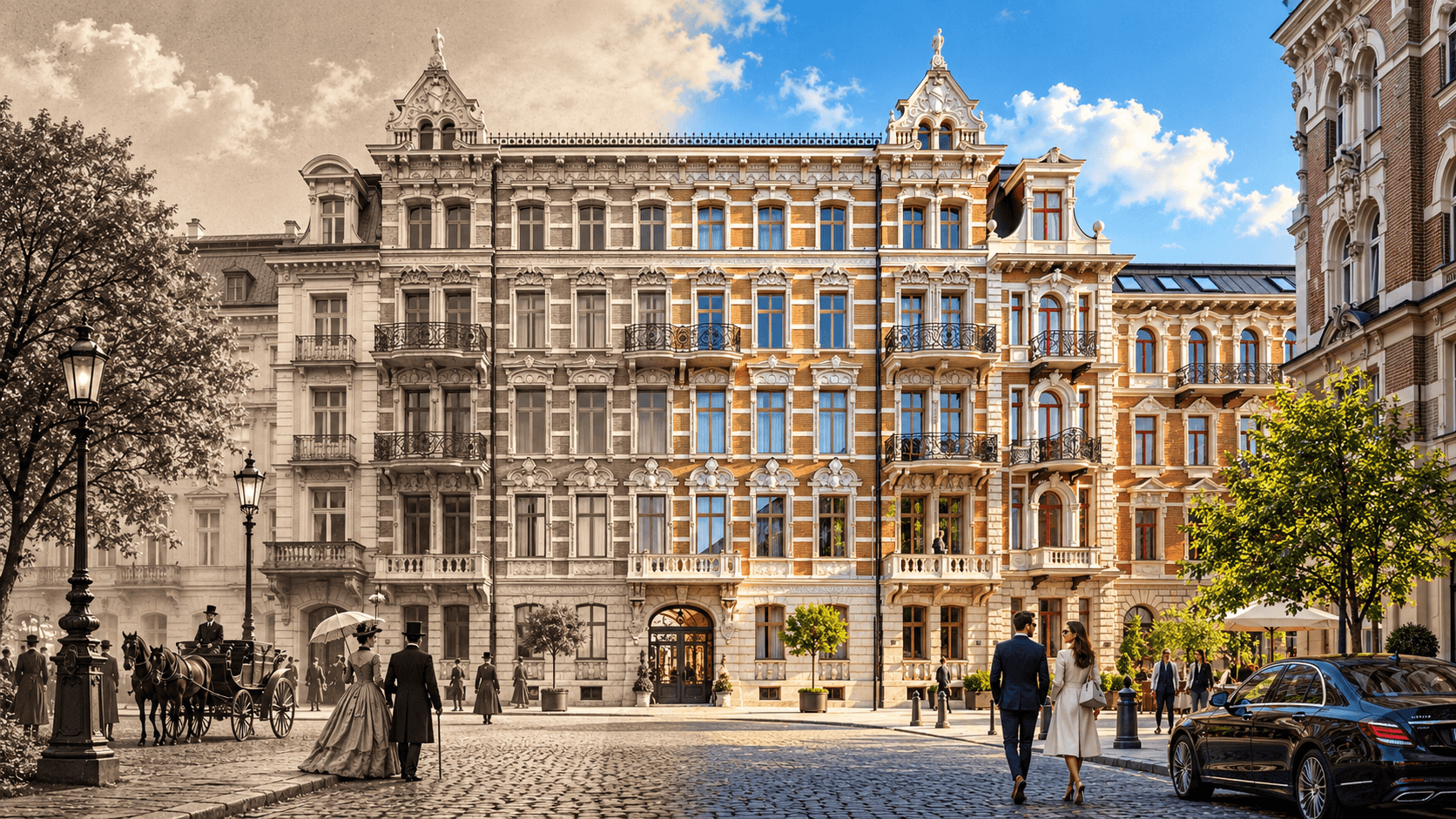
Krakowskie Przedmieście, Aleje Ujazdowskie, Krucza and Powiśle. Much of the Warsaw portrayed by Bolesław Prus in “The Doll” still exists today. Buildings have changed, streets have taken on new functions and standards of living are entirely different, yet many places associated with Wokulski, Izabela Łęcka and Ignacy Rzecki remain among the capital’s most distinctive addresses. If Prus’s characters were living in 21st-century Warsaw, where would they choose to live, invest and do business?
“The Doll” is a love story, a social panorama and a novel about ambition. But it is also a remarkable portrait of Warsaw through the lens of property and place. Prus leads his characters through real streets, shops, tenement houses and parks, depicting the worlds of the aristocracy, emerging commerce, bourgeois investment and the poorer districts along the Vistula. More than a century later, many of these locations remain significant. Some have preserved their prestige. Others have been transformed beyond recognition.
Krakowskie Przedmieście. Where Wokulski would do business today
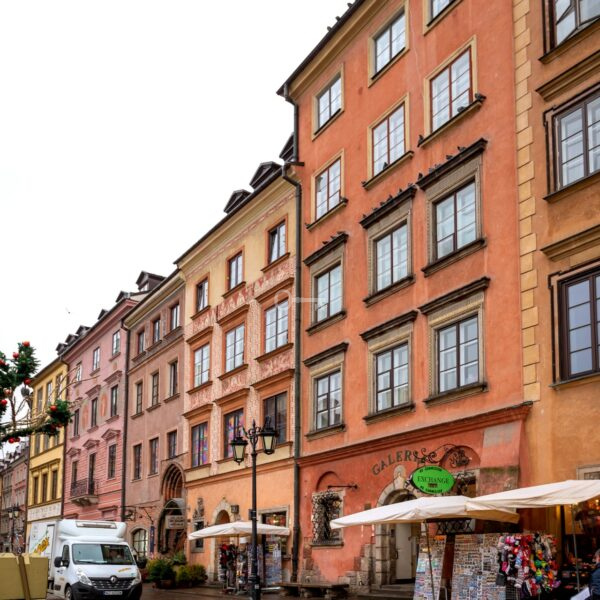
No address is more closely associated with “The Doll” than Krakowskie Przedmieście. It was here that the shop run first by the Mincl family and later by Stanisław Wokulski was located. The choice was far from accidental. Krakowskie Przedmieście was one of the most prestigious parts of 19th-century Warsaw — a place where commerce, social life and status converged. For an entrepreneur like Wokulski, location was not merely practical. It was part of the brand.
Where would Wokulski open his shop today?
The most obvious answer would still be the Royal Route. Wokulski understood scale, visibility and access to affluent clientele exceptionally well. It is easy to imagine his modern-day business as an elegant showroom on Krakowskie Przedmieście or Nowy Świat.
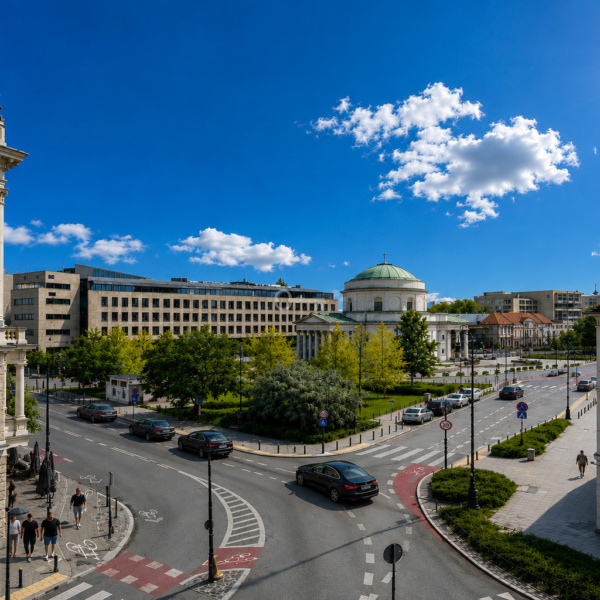
Yet if the same logic were applied to today’s geography of luxury, he might just as naturally choose Three Crosses Square or Mokotowska Street — areas where premium boutiques, restaurants and international brands are concentrated. The business model would be different, but the thinking behind it would remain the same. Wokulski would still want to be exactly where his most valuable clients are.
Where would Stanisław Wokulski live today?
Wokulski was wealthy, but luxury for its own sake was never his priority. His lifestyle was far more pragmatic than that of the aristocracy he sought to enter. It is difficult, therefore, to imagine him choosing an ostentatious penthouse simply as a statement of status.
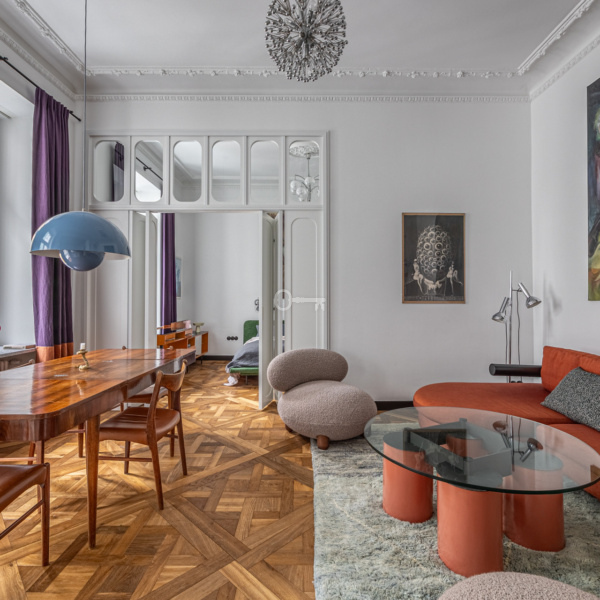
A spacious apartment in a historic townhouse around Foksal, Krakowskie Przedmieście, Oboźna or Karowa would suit him far better. A prestigious location, strong architecture and close proximity to the city’s commercial and cultural life — but without unnecessary display.
The distinction between Wokulski and Izabela Łęcka could hardly be clearer.
Wokulski would choose a property because of its intrinsic value. Izabela — because of the address.
Izabela Łęcka. Aleje Ujazdowskie would still be the right address
If any character in “The Doll” instinctively understands the importance of address and social geography, it is Izabela Łęcka. The Łęcki family belongs to the aristocracy, even as its financial position steadily deteriorates. Maintaining the appropriate lifestyle, image and social standing nevertheless remains essential.
The area around Aleje Ujazdowskie, Three Crosses Square and the southern part of Śródmieście reflects that world remarkably well even today.
What kind of apartment would Izabela Łęcka choose?
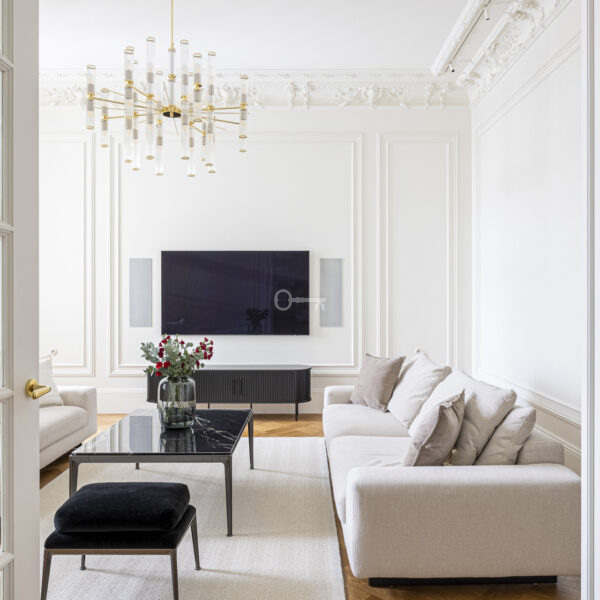
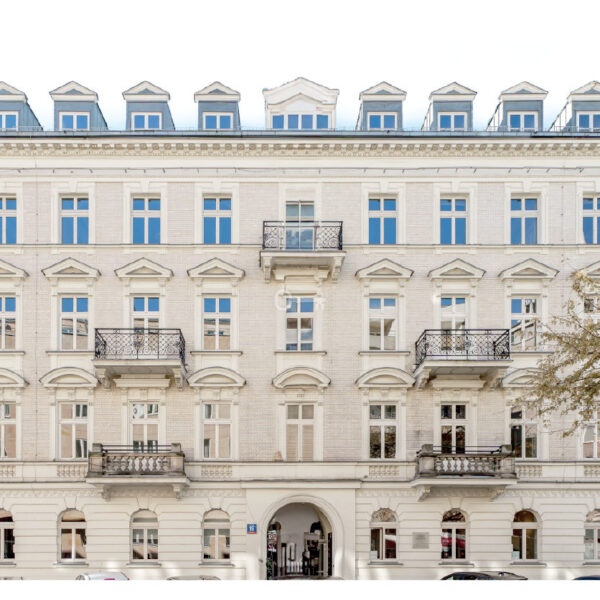
Probably not a residence in a modern high-rise. A grand apartment in a meticulously restored historic townhouse, with high ceilings, original detailing, large windows and generous reception rooms, would feel far more appropriate.
The interiors would have to be elegant, but the address would matter just as much. Aleje Ujazdowskie has retained its exceptional character. Embassies, Łazienki Królewskie, Three Crosses Square and some of Warsaw’s finest historic architecture continue to make it one of the city’s most distinguished residential locations.
If Izabela Łęcka were looking for a home in Warsaw today, it would be difficult to imagine a setting better suited to her.
The Łęcki townhouse on Krucza Street
One of the most important properties in the novel is not the Łęckis’ residence, but the income-generating tenement house owned by the family. Its sale becomes an important element in the relationship between Wokulski and the Łęckis, while also illustrating the central role real estate played in the fortunes of Warsaw’s elite.
The literary inspiration for the building is generally associated with the area around today’s Krucza Street. A comparable property in contemporary central Warsaw would be more than a prestigious address. It would represent a substantial investment asset.
A large historic townhouse of this kind could accommodate luxury apartments, commercial space, offices or a sophisticated mixed-use scheme combining several functions within one property.
And this is where Wokulski feels surprisingly contemporary. He acquires property, evaluates its potential and treats real estate as part of a broader financial strategy. Today, we would simply describe this as investing in property with long-term potential.
Powiśle. The most dramatic transformation since the time of “The Doll”
Few places associated with Prus’s novel have undergone a transformation as striking as Powiśle.
In “The Doll”, Wokulski’s descent from prestigious Krakowskie Przedmieście towards the Vistula feels almost like moving between two separate cities. Above are elegant streets, commerce and affluent Warsaw society. Below are poverty, neglect and people living on the margins of a rapidly developing metropolis.
Powiśle plays an important role in the novel because it reveals just how little physical distance could separate entirely different social worlds.
What became of the impoverished Powiśle?
Today, the contrast is almost ironic. The areas around Dobra, Browarna, Leszczyńska, Tamka and the Vistula boulevards are now among the most desirable parts of central Warsaw.
Powiśle offers a combination that is increasingly difficult to find in a major European city: proximity to the centre, access to greenery and the river, a strong cultural scene, excellent restaurants and a relatively intimate atmosphere.
Former industrial areas have been reinvented. New apartments, restaurants, cultural institutions and public spaces have emerged. What has changed is not simply the appearance of the district, but its entire position within Warsaw’s residential hierarchy.
A place that represented poverty in Prus’s novel is today one of Warsaw’s most desirable residential locations. It may be the most dramatic real estate transformation anywhere in the Warsaw of “The Doll”.
Foksal, Nowy Świat, Three Crosses Square. A world Wokulski would recognise immediately
Another fascinating part of the contemporary map of “The Doll” lies between Krakowskie Przedmieście and Aleje Ujazdowskie.
Foksal, Nowy Świat, Mokotowska and Three Crosses Square form a natural bridge between the worlds of Wokulski and the Łęcki family. Historic townhouses stand alongside boutiques, restaurants, galleries and contemporary premium developments.
It is perhaps here, more than anywhere else, that Prus’s characters can most easily be imagined in present-day Warsaw.
Wokulski running his business just a few minutes from Nowy Świat.
Izabela leaving a townhouse near Three Crosses Square.
Rzecki living within walking distance of his workplace.
The cars, shops and lifestyles have changed. The underlying logic of the city feels surprisingly familiar.
And where would the other characters live?
Ignacy Rzecki would probably remain loyal to central Warsaw. A smaller apartment close to his workplace would suit his character far better than a contemporary luxury development.
Baron and Baroness Krzeszowski might choose one of Śródmieście’s grand historic townhouses or an elegant address in Old Mokotów.
Tomasz Łęcki, meanwhile, would probably still select a home that reflected the social position he wished to project rather than his actual financial circumstances.
And this is precisely why real estate in “The Doll” is much more than scenery. It reflects status, ambition, wealth and aspiration.
Prus’s Warsaw is still here
Perhaps the most striking conclusion is that Warsaw’s geography of prestige has not changed as dramatically as one might expect.
Krakowskie Przedmieście still embodies the monumental, historic face of the capital. Aleje Ujazdowskie remains one of its most elegant addresses. Three Crosses Square, Mokotowska and Foksal continue to attract people for whom the surroundings of a property matter almost as much as the property itself.
The most remarkable transformation belongs to Powiśle.
This is why “The Doll” can also be read as a fascinating document about the city and the value of its addresses. Wokulski buys property, expands his business, observes the differences between districts and understands perfectly well that where someone lives or invests can say almost as much about them as their wealth.
More than a century later, that mechanism remains surprisingly familiar.
Only Warsaw around it has changed.
Where the characters of “The Doll” would live today
Stanisław Wokulski
A discreet apartment in a historic townhouse around Foksal, Krakowskie Przedmieście or Karowa.
Izabela Łęcka
A grand apartment on Aleje Ujazdowskie or near Three Crosses Square.
The Łęcki townhouse
A substantial investment property in central Warsaw, around Krucza Street.
Ignacy Rzecki
A smaller apartment close to Warsaw’s historic commercial centre.
Wokulski’s shop
Krakowskie Przedmieście or Nowy Świat — or, in a contemporary interpretation, an elegant showroom around Three Crosses Square.
Powiśle
The greatest paradox of the story: once a symbol of poverty, today one of Warsaw’s most sought-after residential addresses.
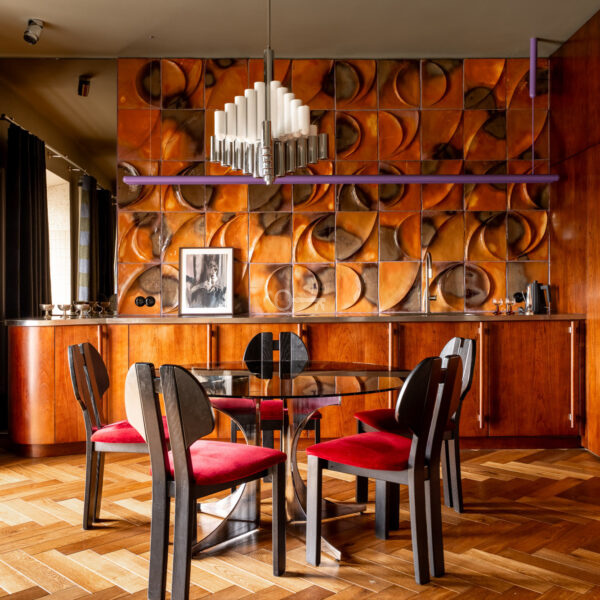
 82 m²
82 m²  2 / 4
2 / 4  3
3  1954
1954 
 2
2 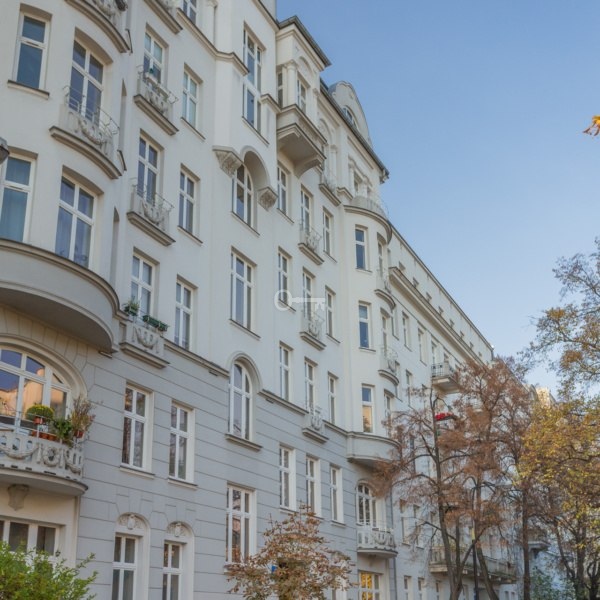




 Office